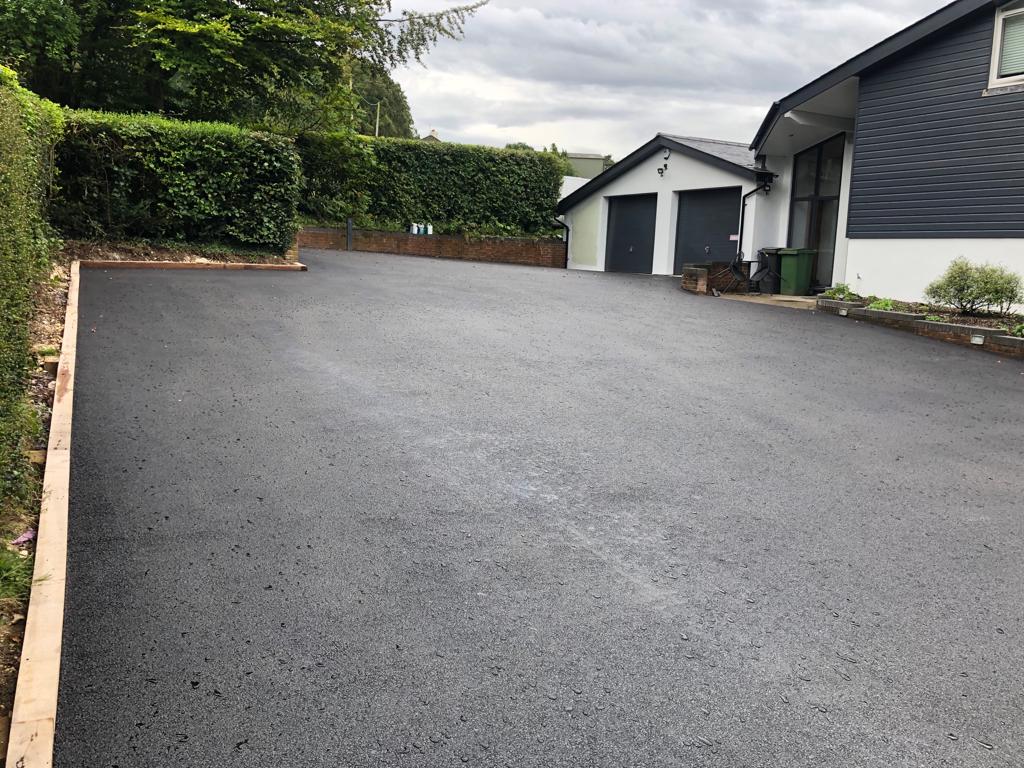
Finding potholes in an asphalt road does not automatically mean the entire surface needs to be resurfaced. When deterioration is confined to a few specific areas and the surrounding pavement remains in sound condition, targeted pothole repairs can often address the problem without renewing the whole road. The important question is why the potholes developed and whether the damage is genuinely localised.
For property owners and businesses in Stanthorpe, NSW, assessing the overall pavement condition before choosing a repair method can prevent unnecessary work while ensuring deeper problems are not overlooked. Stanthorpe Asphalt & Bitumen Surfacing provides professional pothole repairs and resurfacing based on the condition of the existing pavement and the factors contributing to its deterioration.
When Can Potholes Be Repaired Individually?
Localised pothole repairs can be appropriate when the damage affects a relatively small proportion of an otherwise stable road.
Rather than resurfacing asphalt that is still performing effectively, the failed section can be repaired and incorporated back into the surrounding pavement.
Individual pothole repairs may be suitable when:
- Only a small number of potholes are present
- Damage is confined to specific locations
- Surrounding asphalt remains stable
- There is limited cracking around the potholes
- The pavement is not extensively rutted or deformed
- The underlying base remains capable of supporting traffic
However, the number of potholes is only one consideration. Their cause and the condition beneath them are equally important.
Why Did the Pothole Form?
A pothole is rarely an isolated event without a cause.
Asphalt can begin deteriorating after cracks allow moisture to enter the pavement. Traffic repeatedly passing over the weakened section places additional stress on the surface, causing material to loosen and break away.
Other contributing factors can include:
- Weak pavement foundations
- Poor drainage
- Standing water
- Deteriorated asphalt
- Heavy or concentrated vehicle loading
- Edge failure
- Previous repairs that have deteriorated
Identifying the likely cause helps determine whether a straightforward repair is appropriate or whether more extensive pavement work should be considered.
A Proper Repair Needs a Stable Foundation
Filling the visible hole is only part of an effective pothole repair.
If loose or unstable material remains underneath, the repaired section can begin deteriorating again under traffic. The damaged area should therefore be assessed to establish whether the supporting pavement remains sufficiently stable.
Where necessary, failed material may need to be removed before the area is prepared and repaired.
The aim is to restore a stable section of pavement rather than simply make the pothole temporarily disappear.
Recurring Potholes Need Closer Investigation
A pothole that repeatedly returns in the same location can indicate an unresolved problem beneath or around the repair.
Possible causes include:
- Ongoing water penetration
- Weak base material
- Localised settlement
- Inadequate drainage
- Concentrated traffic loads
- Deterioration extending beyond the previous repair
Continually repairing the surface without addressing these conditions may result in the same defect returning.
When potholes recur, the underlying pavement should be investigated before another repair is undertaken.
When Does Resurfacing Become More Appropriate?
The decision changes when potholes are no longer isolated.
If they are developing across large sections of a road alongside cracking, surface breakup or general deterioration, repairing each hole separately may fail to address the broader condition of the pavement.
Signs that resurfacing may deserve consideration include:
- Numerous potholes across the road
- Widespread surface cracking
- Extensive weathering or surface deterioration
- Multiple previous repairs
- Loose or crumbling asphalt
- Increasingly rough driving conditions
- Deterioration affecting substantial sections of pavement
Resurfacing can renew the wearing surface where the underlying pavement remains suitable to support a new asphalt layer.
Look at the Asphalt Between the Potholes
The condition of the pavement surrounding each pothole can reveal whether the problem is isolated or widespread.
If the asphalt between damaged areas remains well bonded and relatively free from significant cracking or deformation, targeted repairs may remain practical.
If the surrounding surface is extensively cracked, brittle or breaking apart, the potholes may simply be the most obvious signs of more general deterioration.
In this situation, assessing the road as a whole provides a clearer basis for deciding what work is required.
Multiple Patches Can Tell a Story
Previous repairs can provide useful information about how a road has been deteriorating.
A few well-performing patches do not necessarily indicate a problem. However, if a road contains numerous overlapping repairs and new potholes continue appearing between them, the wearing surface may be reaching a stage where broader treatment is worth assessing.
The objective should not be to resurface simply because repairs have been carried out before. It is to determine whether the existing surface remains suitable for continued targeted maintenance.
What Role Does Water Play in Pothole Formation?
Water is an important factor when assessing pothole damage.
Cracks and damaged edges can provide pathways for moisture to enter the pavement. If supporting material becomes weakened, repeated vehicle loads can cause movement and accelerate surface breakup.
Standing water can create additional problems, particularly where potholes or depressions repeatedly collect rainfall.
A professional assessment should therefore consider:
- Where water flows across the road
- Whether low areas are holding water
- Condition of pavement edges
- Existing cracking
- Surface levels and falls
- Drainage around damaged sections
If drainage is contributing to deterioration, correcting it can be an important part of achieving a more reliable repair.
Traffic Loading Can Influence the Repair Decision
Potholes frequently develop in areas subjected to concentrated traffic.
Wheel paths, entrances, turning areas and sections where vehicles brake can experience greater pavement stress than other parts of a road. Heavier or more frequent vehicle movements can expose existing weaknesses more quickly.
If potholes repeatedly form in these areas, the pavement structure should be considered alongside the surface damage.
The repaired section needs to be appropriate for the traffic it is expected to carry.
What If the Pavement Base Has Failed?
Neither a basic pothole repair nor straightforward resurfacing should be expected to correct substantial foundation failure.
Where the pavement has deep rutting, significant settlement, widespread movement or extensively weakened supporting material, deeper reconstruction may be necessary in affected areas.
This does not always mean rebuilding the entire road. Structural failure can sometimes be localised, allowing failed sections to receive more substantial preparation while sound pavement elsewhere is retained.
Determining the extent of the problem is therefore an important part of professional road assessment.
Resurfacing Should Follow Proper Preparation
When resurfacing is appropriate, existing defects should be addressed before the new asphalt layer is installed.
Depending on the road condition, preparation can involve:
- Repairing potholes and failed areas
- Removing unstable pavement
- Correcting depressions
- Addressing drainage issues
- Restoring appropriate surface levels
- Preparing the existing pavement for the new asphalt layer
Placing fresh asphalt directly over unresolved defects can allow existing problems to eventually affect the resurfaced road.
Early Pothole Repairs Can Protect Surrounding Asphalt
Potholes tend to deteriorate further when left exposed to traffic and water.
Their edges can begin breaking away, increasing the size of the damaged section. Additional moisture may also enter the pavement, potentially affecting adjacent asphalt and supporting material.
Addressing localised potholes while the surrounding pavement remains stable can help prevent a relatively contained defect from developing into more extensive deterioration.
Why Professional Assessment Is Important
There is no single number of potholes that automatically determines whether a road should be repaired or resurfaced.
The decision should consider:
- Number and distribution of potholes
- Depth of individual defects
- Condition of surrounding asphalt
- Pavement stability
- Drainage
- Traffic demands
- Previous repairs
- Extent of cracking and deformation
Looking at these factors together allows the work to be matched to the actual pavement condition.
A road with two serious structural failures may require more preparation than one with several shallow, isolated potholes. The visible number of defects therefore tells only part of the story.
Conclusion
Yes, potholes can often be repaired without resurfacing the whole road when deterioration is localised and the surrounding pavement remains structurally sound. Targeted repairs can restore individual damaged areas while retaining asphalt that continues to perform effectively.
When potholes are widespread, repeatedly return or occur alongside extensive cracking, deformation and surface deterioration, a broader pavement assessment becomes important. Resurfacing may be appropriate where the underlying structure remains sound, while deeper failures should be corrected before a new surface is installed.
For property owners and businesses in Stanthorpe, NSW, Stanthorpe Asphalt & Bitumen Surfacing provides professional pothole repairs and asphalt resurfacing based on the condition of the existing road. If potholes are beginning to affect your pavement, arranging an assessment can help determine whether targeted repairs are sufficient or whether a more comprehensive approach is appropriate.
Call us on: 07 5230 8325
Click here to find out more about Stanthorpe Asphalt & Bitumen Surfacing
Click here to complete our contact form and see how we can help with your Asphalt and Bitumen Surfacing needs.